Sports Unite the World: A Visit to the Home of Sport

When people think about sport, they often think about athletes, matches, trophies, and fans. What is less visible, however, is the ecosystem operating behind every competition, federation, and international sporting event.
Global sport today is shaped not only on the field, but also inside boardrooms, governance committees, legal institutions, and strategic planning sessions where major decisions are made. Regulations, ethics, athlete welfare, commercial rights, international relations, and long-term development all influence how sport evolves globally.
Behind every successful sporting ecosystem are governance structures, leadership models, operational systems, and strategic visions designed to protect integrity, ensure sustainability, and create long-term impact. In many ways, sport has evolved into one of the world’s most influential industries, operating at the intersection of business, culture, diplomacy, education, and social development.
As part of the international experience with the Escuela Universitaria Real Madrid Universidad Europea for our MBA in Sports Management, we had the opportunity to explore this side of sport firsthand through visits to some of the world’s leading sports institutions in Switzerland.
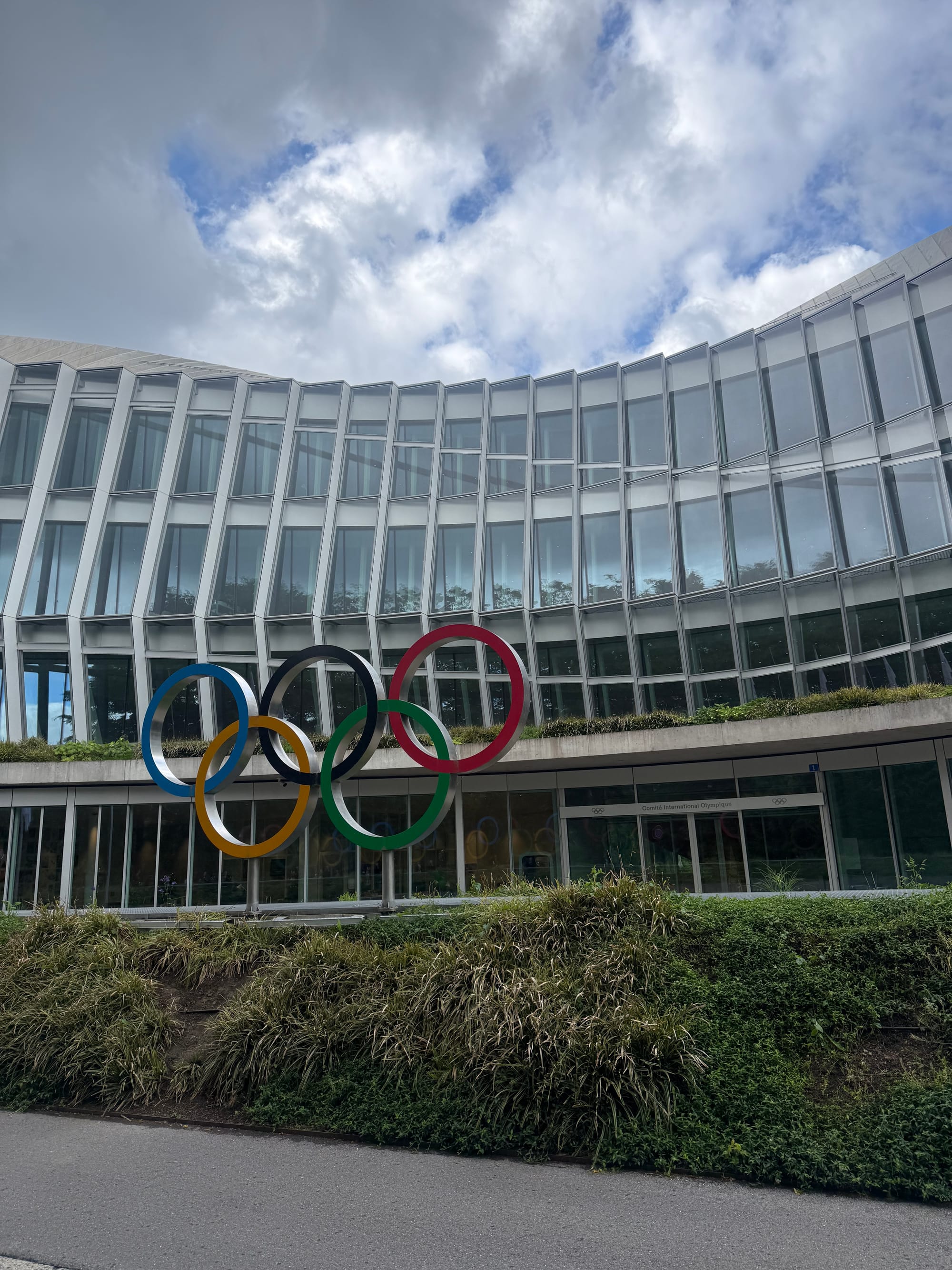
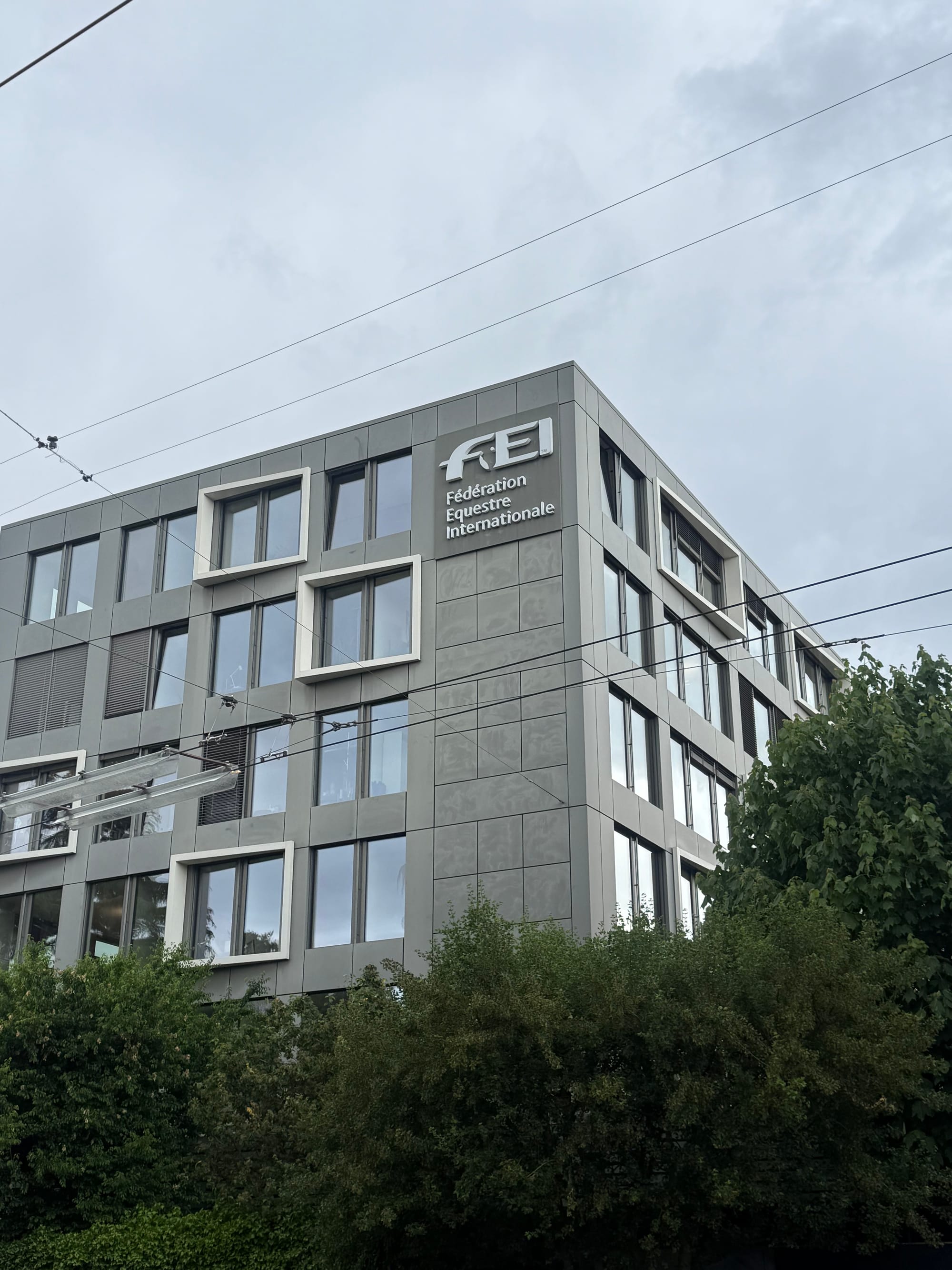
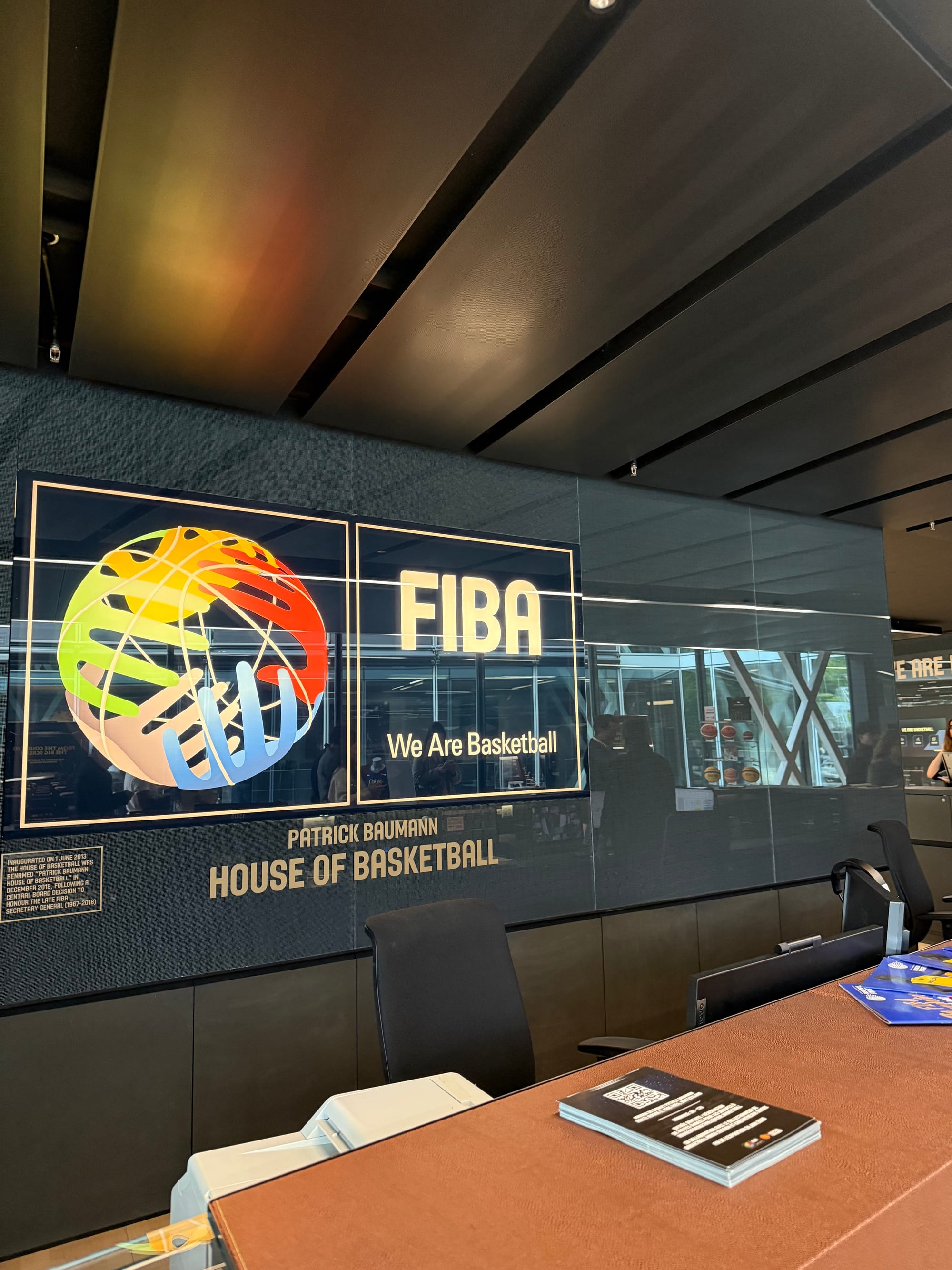

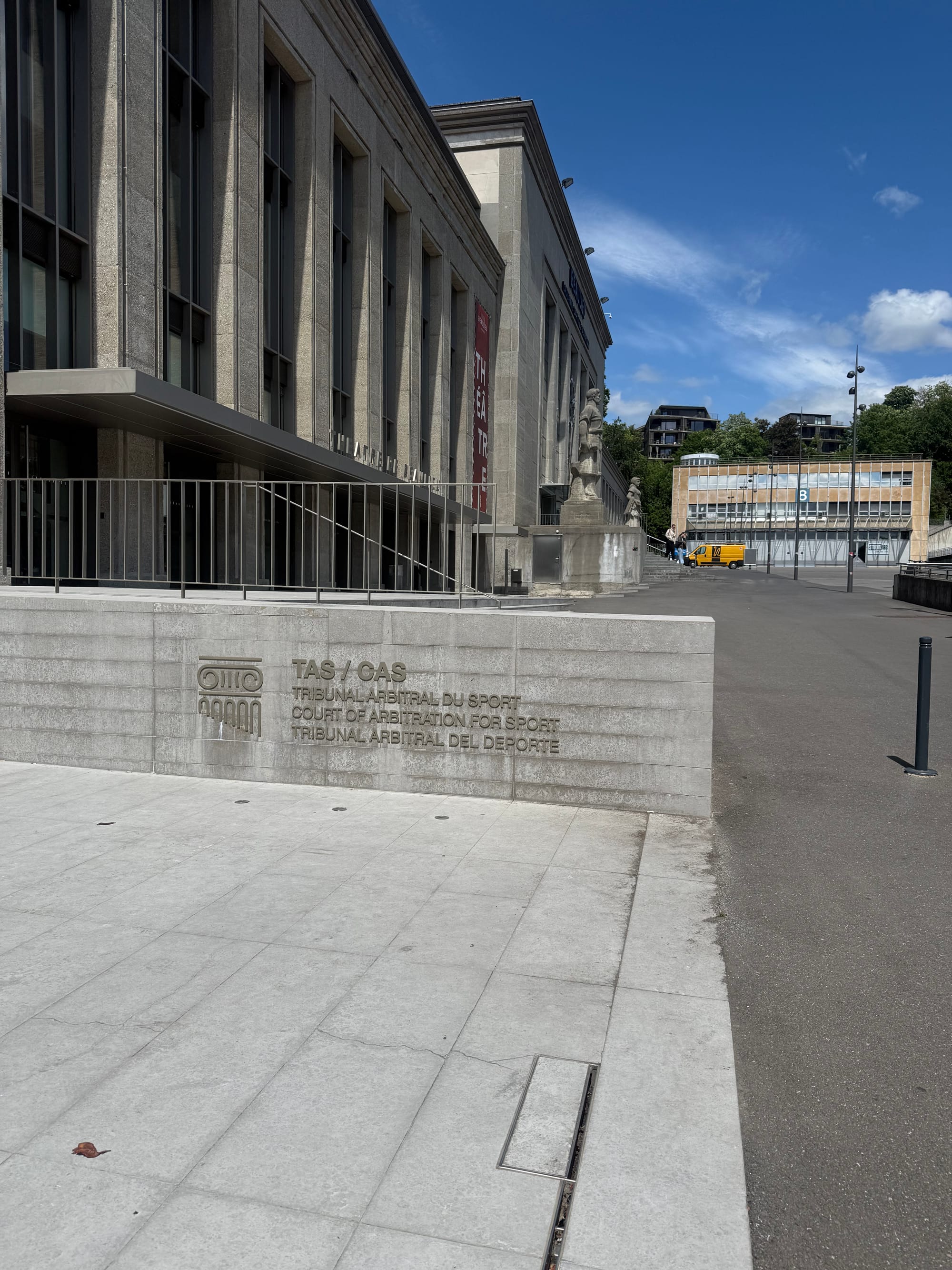
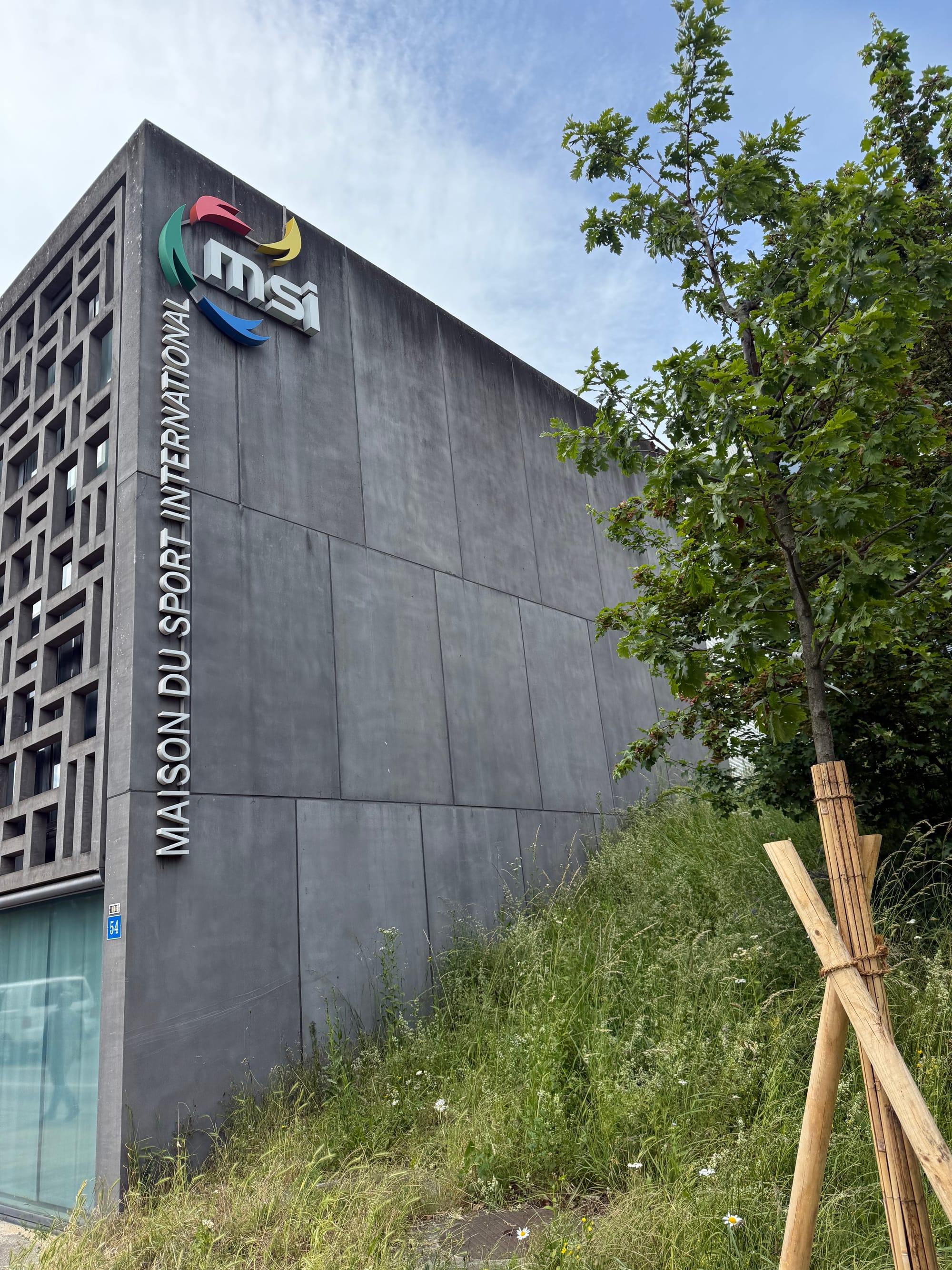
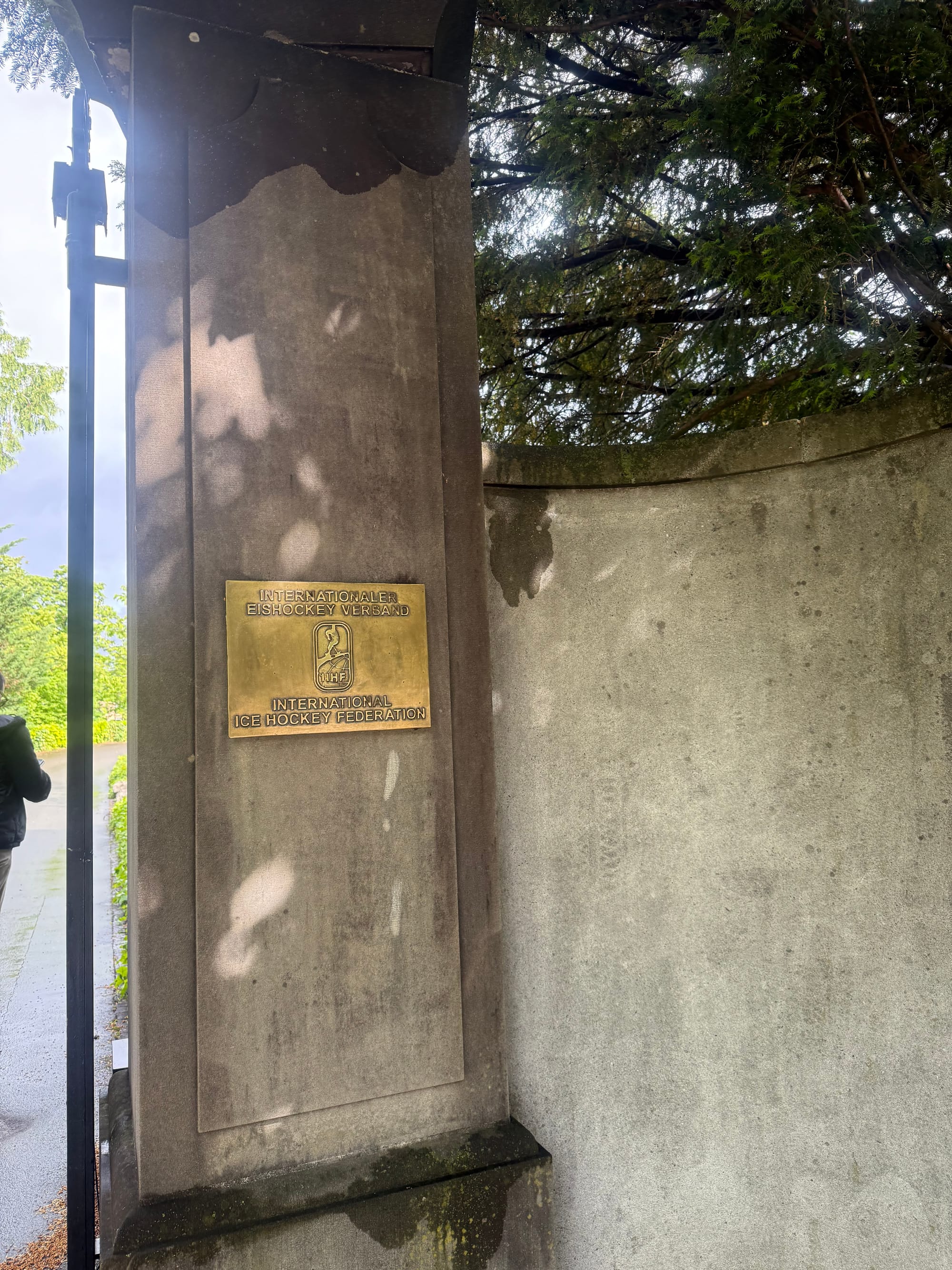
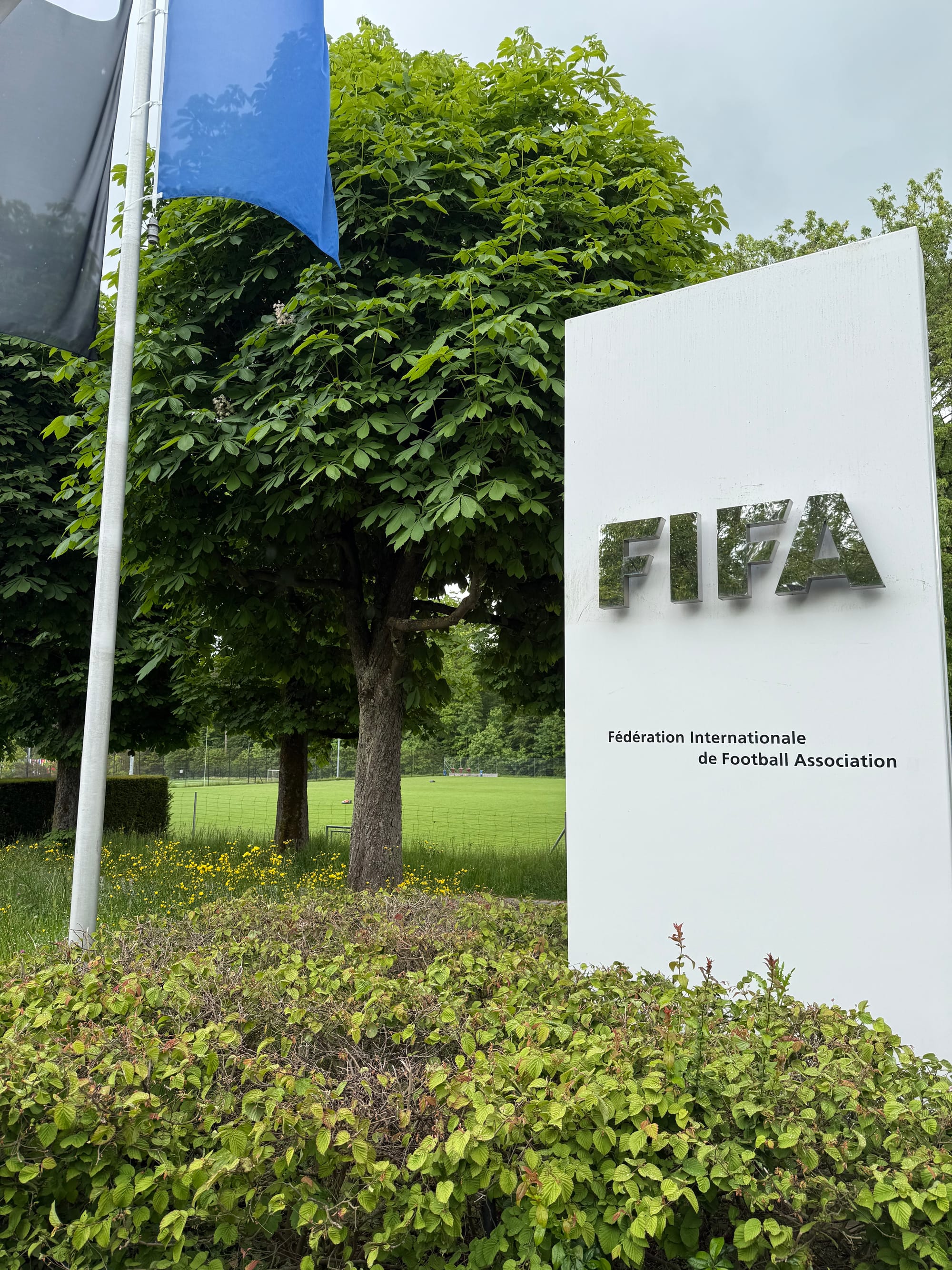
From the International Olympic Committee (IOC), FIBA, FIVB, and FEI in Lausanne to FIFA, IIHF, and the Court of Arbitration for Sport (CAS) in Zurich, the experience provided an inside look into how international sport is governed, regulated, and strategically managed behind the scenes.
But beyond the institutional visits themselves, the trip offered something even more valuable: a deeper understanding of the people, leadership, and philosophies shaping the future of global sport.
The Hidden Side of Global Sport
One of the most interesting aspects of this experience was observing how differently international sports institutions operate depending on their role, structure and global responsibilities.
Although each organization represented a different sport or function within the ecosystem, there was a clear commonality across all of them: decisions are rarely made in isolation. Governance, commercial strategy, legal considerations, athlete development, international relations and long-term sustainability are deeply interconnected within modern sport.
What stood out to me most was the level of strategic alignment inside these institutions.
Whether discussing athlete pathways, international expansion, integrity frameworks, educational initiatives or event hosting, every conversation reflected a long-term vision supported by structured systems and clear governance models.
The experience also highlighted how sport today operates as a global industry rather than simply a form of entertainment. Institutions such as FIFA and the IOC influence conversations extending beyond competitions themselves, including economic impact, diplomacy, social responsibility, inclusion and cultural influence.
Meanwhile, visiting the Court of Arbitration for Sport (CAS) offered another perspective on the ecosystem: the importance of legal governance and independent dispute resolution in maintaining trust, fairness and credibility across international sport.
What became increasingly clear throughout the trip was that success in sport is not built only on talent or popularity, but on the strength of the systems operating behind it.
And perhaps that is why one quote stayed with me throughout the week:
“With great power comes great responsibility.”
Because when sport reaches a global scale, it becomes far more than entertainment. It becomes an influential system capable of shaping culture, economies, identities and international relationships.
Representation, Leadership and Identity in Sport
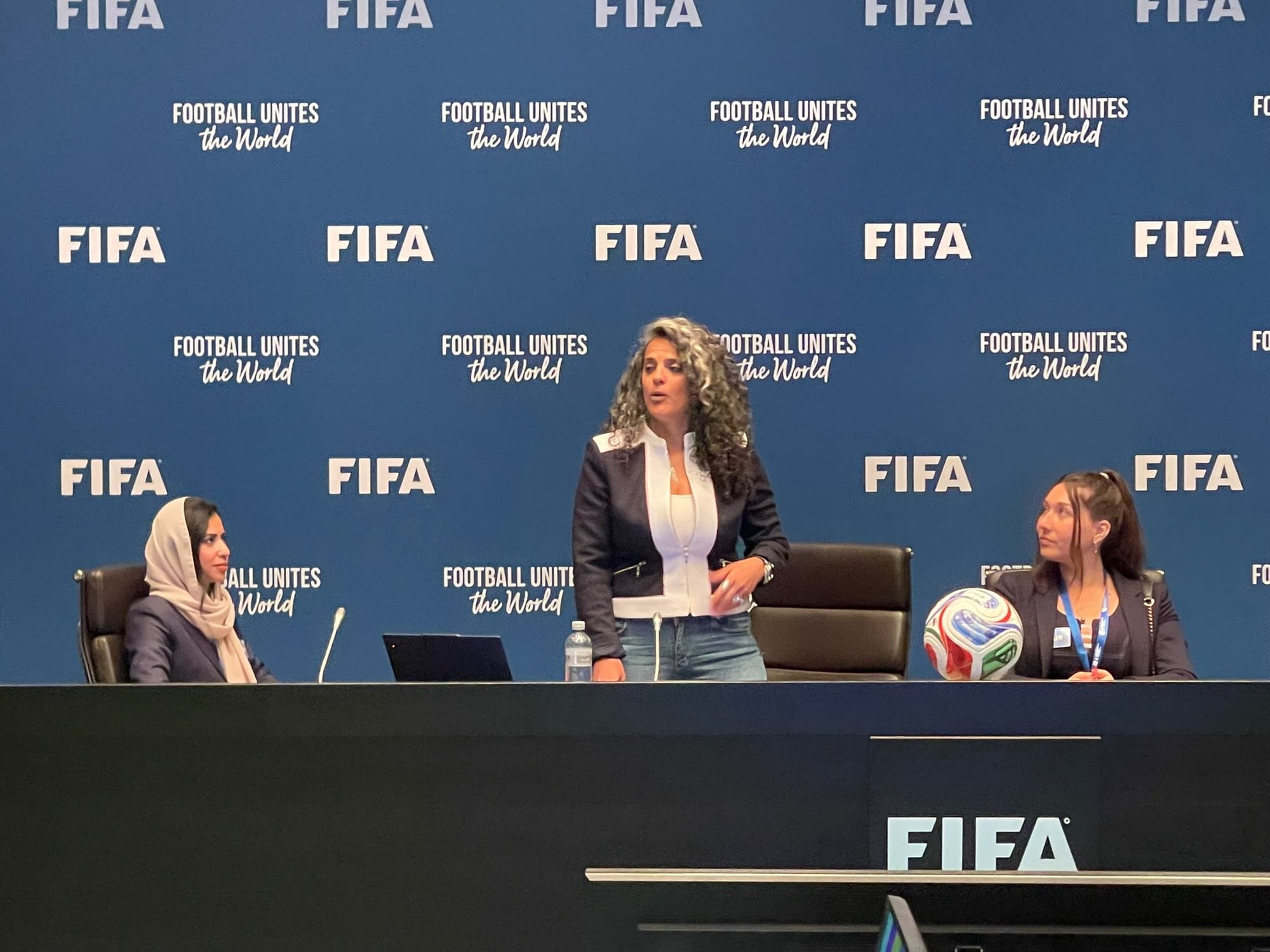
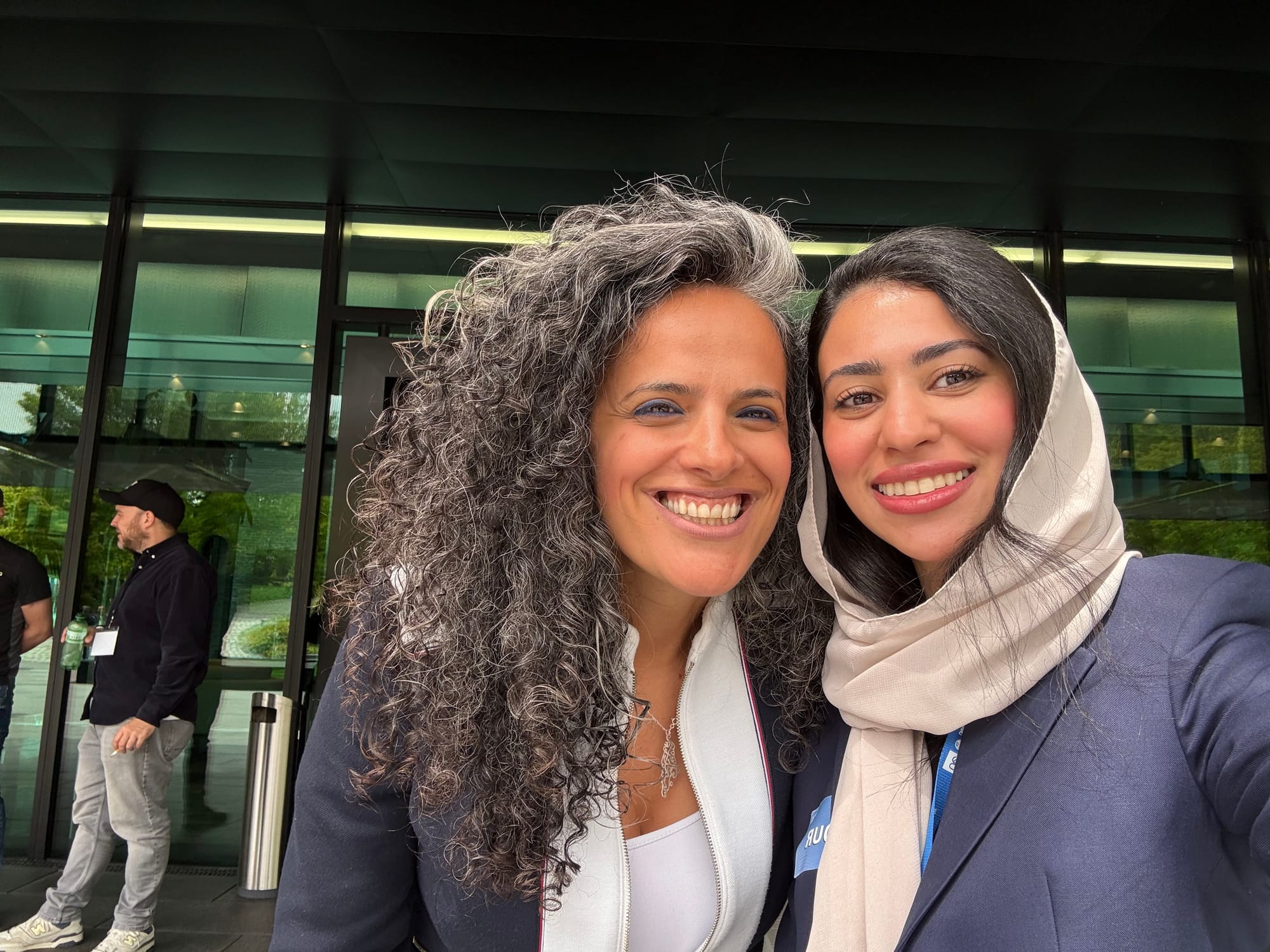
Beyond governance models and institutional structures, one of the most impactful parts of the trip was the conversations around leadership, representation and personal journeys within the sports industry.
One of the moments that stayed with me the most was listening to Honey Thaljieh.
What made her story powerful was not only the positions she reached, but the perspective she brought into the conversation about identity, resilience and navigating spaces that historically were not designed to be inclusive.
Sport has long been perceived as a male-dominated industry, not only on the field for athletes, but also within leadership, governance and decision-making positions. Although significant progress has been made globally, representation within many areas of the sports ecosystem continues to evolve.
Listening to her speak highlighted an important reality about leadership in sport today: representation matters, not only symbolically, but structurally. Diverse perspectives influence how organizations grow, how opportunities are created and how future generations perceive their place within the industry.
In many ways, the conversation extended beyond sport itself. It became a discussion about ambition, identity and the challenges that often come with stepping into unfamiliar spaces or transitioning into industries where expectations and stereotypes already exist.
As someone moving into the sports industry from a strategy and transformation background, I found many of these reflections deeply relatable. Entering new environments often comes with uncertainty, constant learning and the pressure to prove yourself while still remaining authentic to who you are.
One lesson that stayed with me throughout the experience was the importance of continuing to focus on the bigger vision despite external noise, assumptions or limitations others may attempt to place around you.
Growth rarely happens within comfortable spaces.
And perhaps that is one of the most valuable aspects of sport itself: its ability to constantly challenge individuals, organizations and even countries to evolve beyond what they previously believed was possible.
Reflections on the Future of Saudi Sport
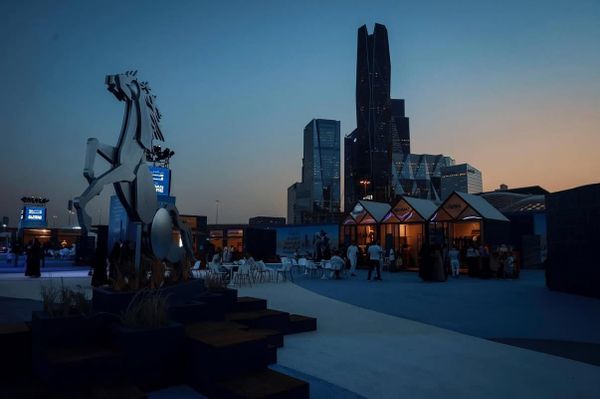
As someone from Saudi Arabia, it was impossible to go through this experience without reflecting on the transformation currently taking place within the Kingdom’s sports sector.
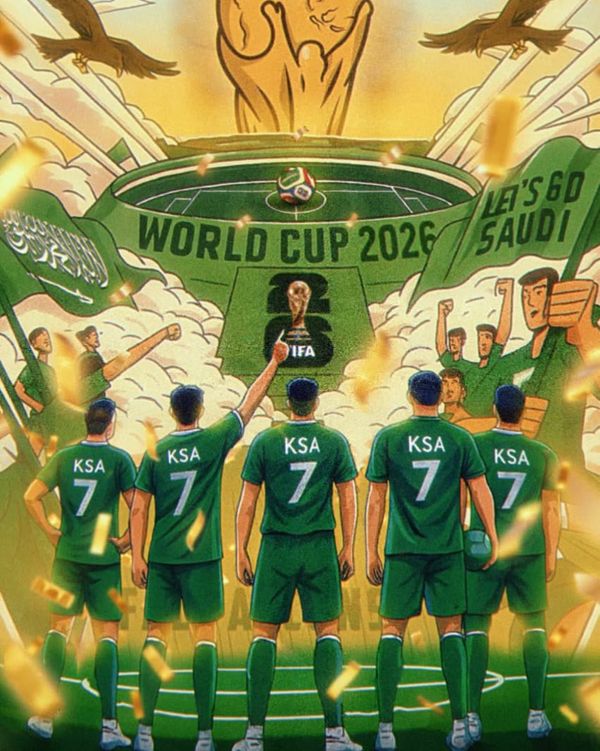
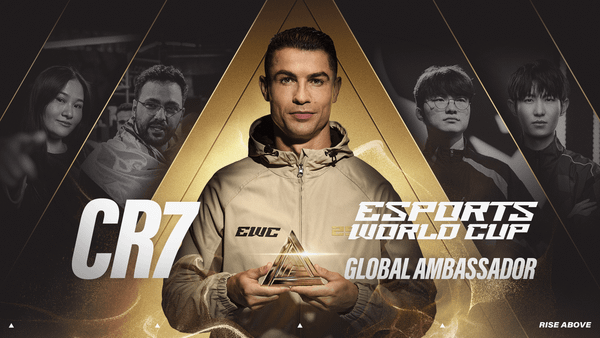
Over the past few years, Saudi sport has gained remarkable international visibility. From hosting global events to attracting major athletes, clubs and partnerships, the Kingdom has rapidly positioned itself as an increasingly influential player within the global sports landscape.
However, what stood out to me most during this trip was not only the scale of international sport, but the systems supporting it behind the scenes.
What we observed across the institutions we visited was not built overnight. Behind every successful federation, competition and sporting ecosystem is a long-term structure designed to ensure sustainability, governance, talent development and strategic alignment.
There are clear pathways connecting grassroots participation to elite performance. Governance frameworks supporting transparency and accountability. Educational initiatives developing future leaders. Legal systems protecting integrity. And long-term visions guiding how each sport evolves internationally.
This made me reflect on the importance of building sport not only through events or visibility, but through sustainable ecosystems capable of creating long-term impact.
The country is not only investing in sport as entertainment, but increasingly positioning it as a driver for economic diversification, social development, tourism, education and international engagement.
At the same time, I believe one of the biggest opportunities ahead lies in continuing to expand beyond a single-sport focus and creating stronger participation pathways across different sports and disciplines.
Visiting these international institutions also highlighted how participation in global competitions such as the Olympic Games is often the result of decades of structured investment in federations, athlete development systems and grassroots participation.
This creates an interesting opportunity for Saudi Arabia, especially in emerging or less traditional sports where long-term investment today could create future international representation and competitiveness.
Whether through strengthening existing federations or introducing and developing newer sports such as ice hockey and other winter or niche sports, the potential exists to diversify Saudi participation across international competitions and Olympic disciplines over time.
What became increasingly clear throughout the trip was that successful sporting nations are not necessarily defined only by trophies or major events, but by the strength of the systems they build around athletes, communities, governance and long-term development.
Saudi Arabia today has a unique opportunity to shape those systems intentionally while learning from global experiences and adapting them to its own identity, culture and ambitions.
Sports Unite the World
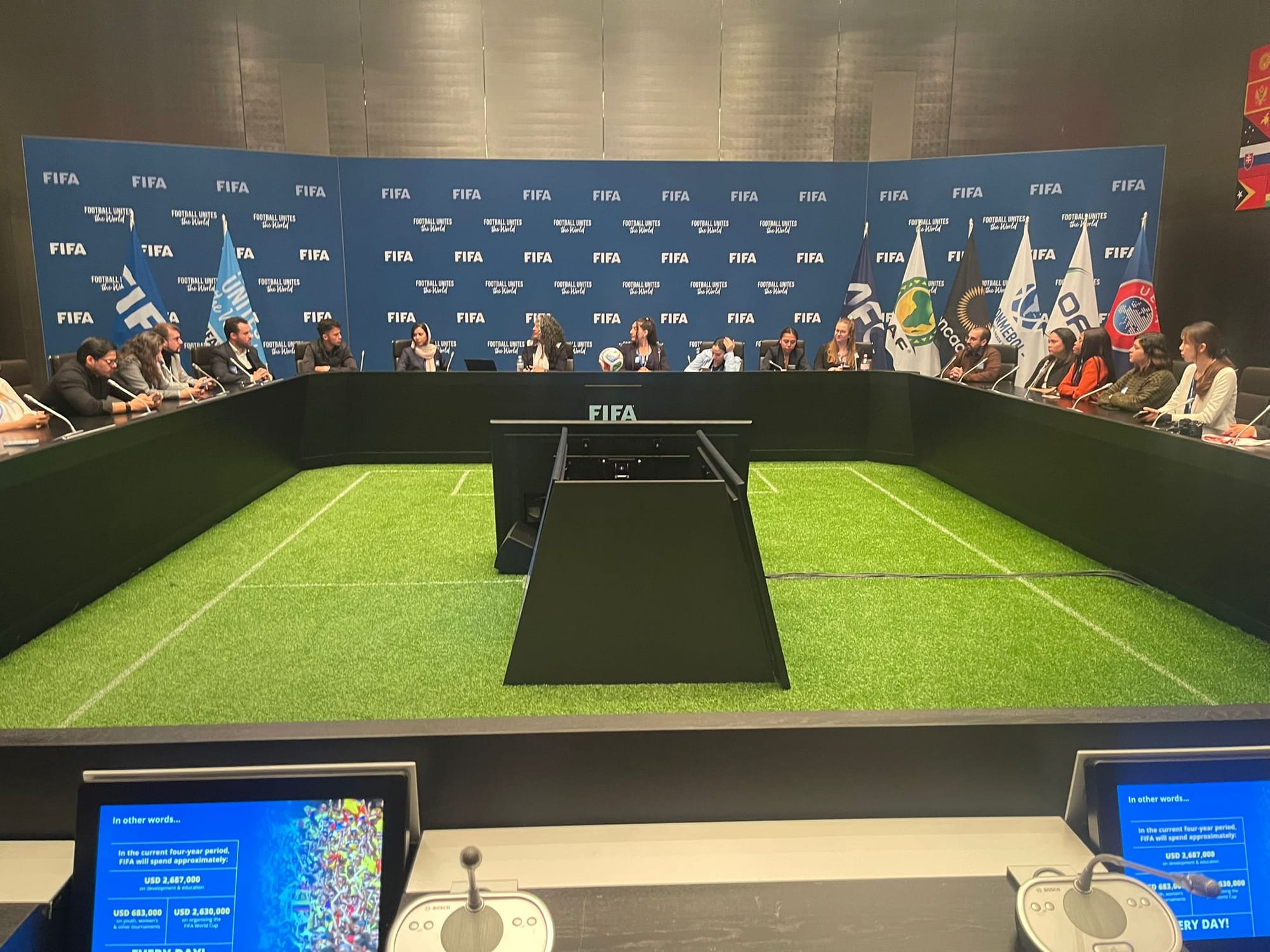
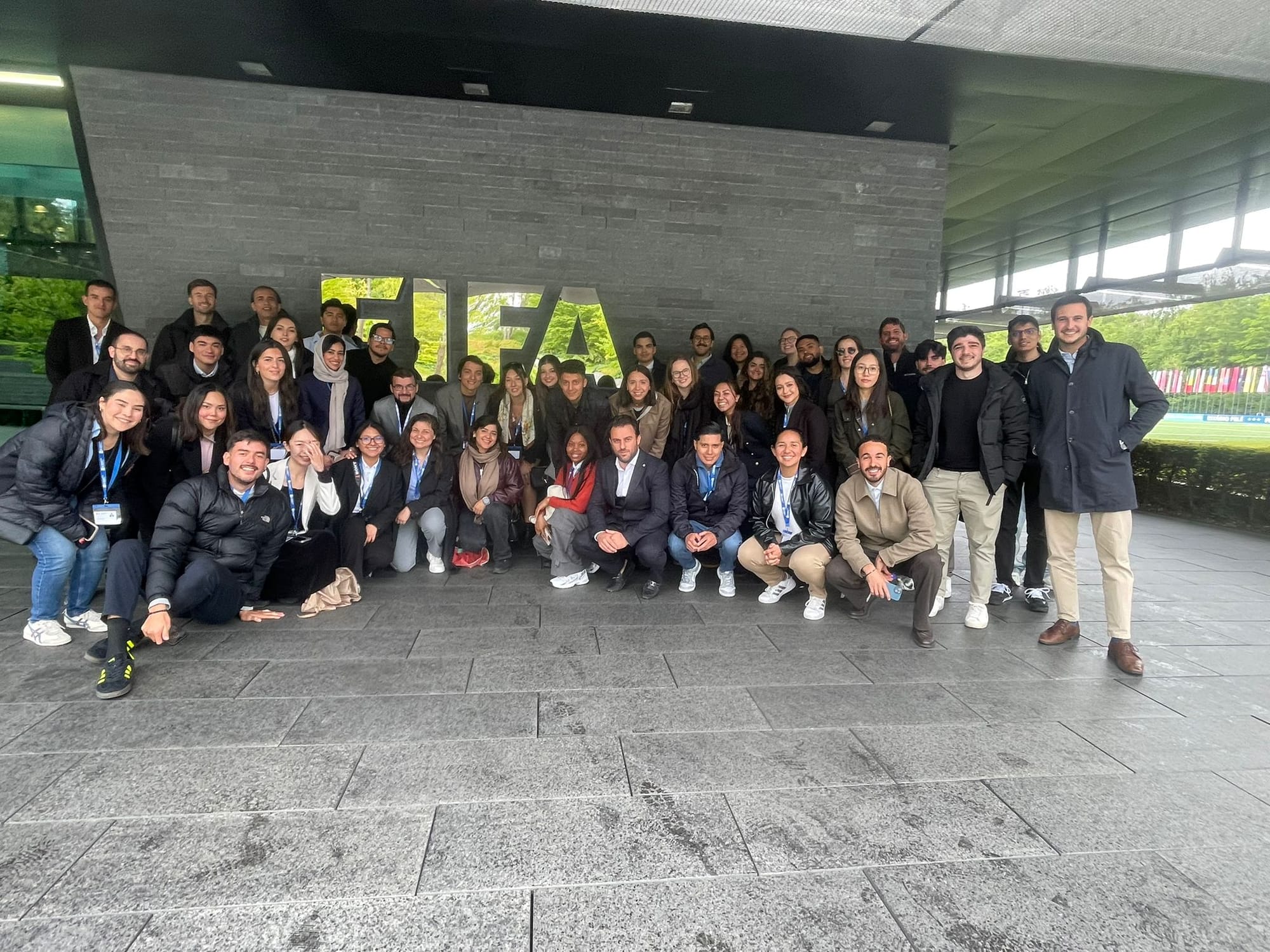
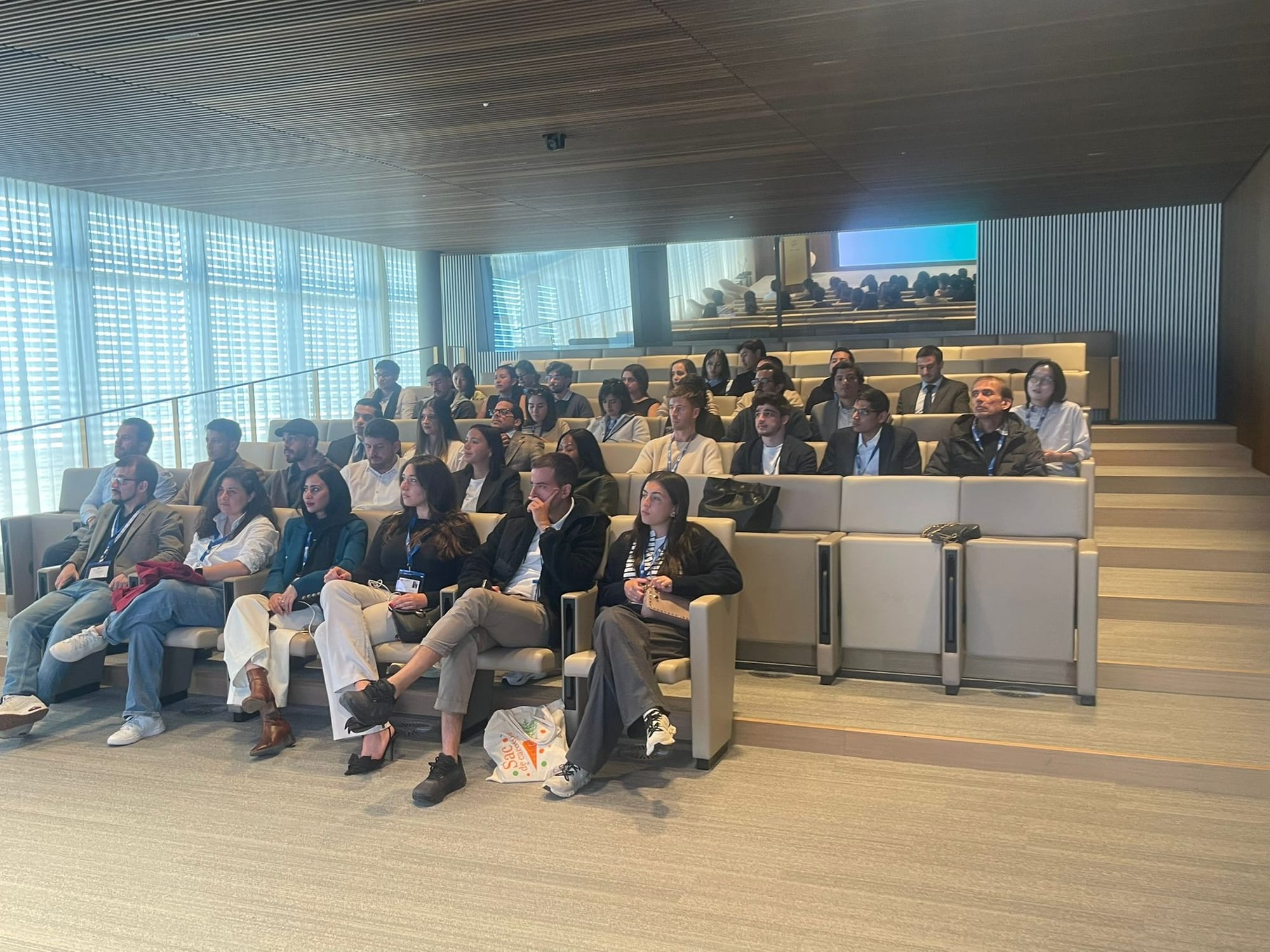
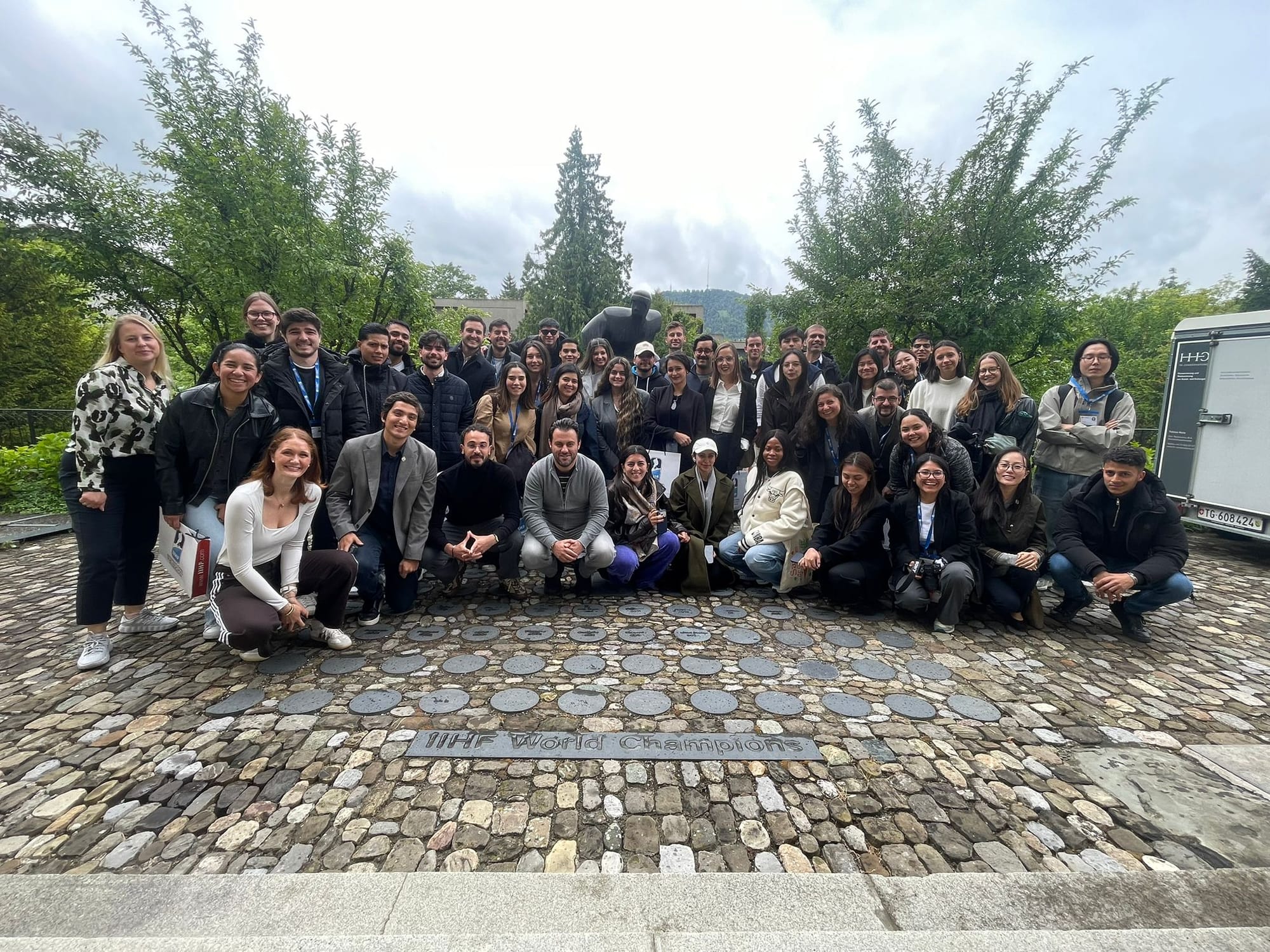
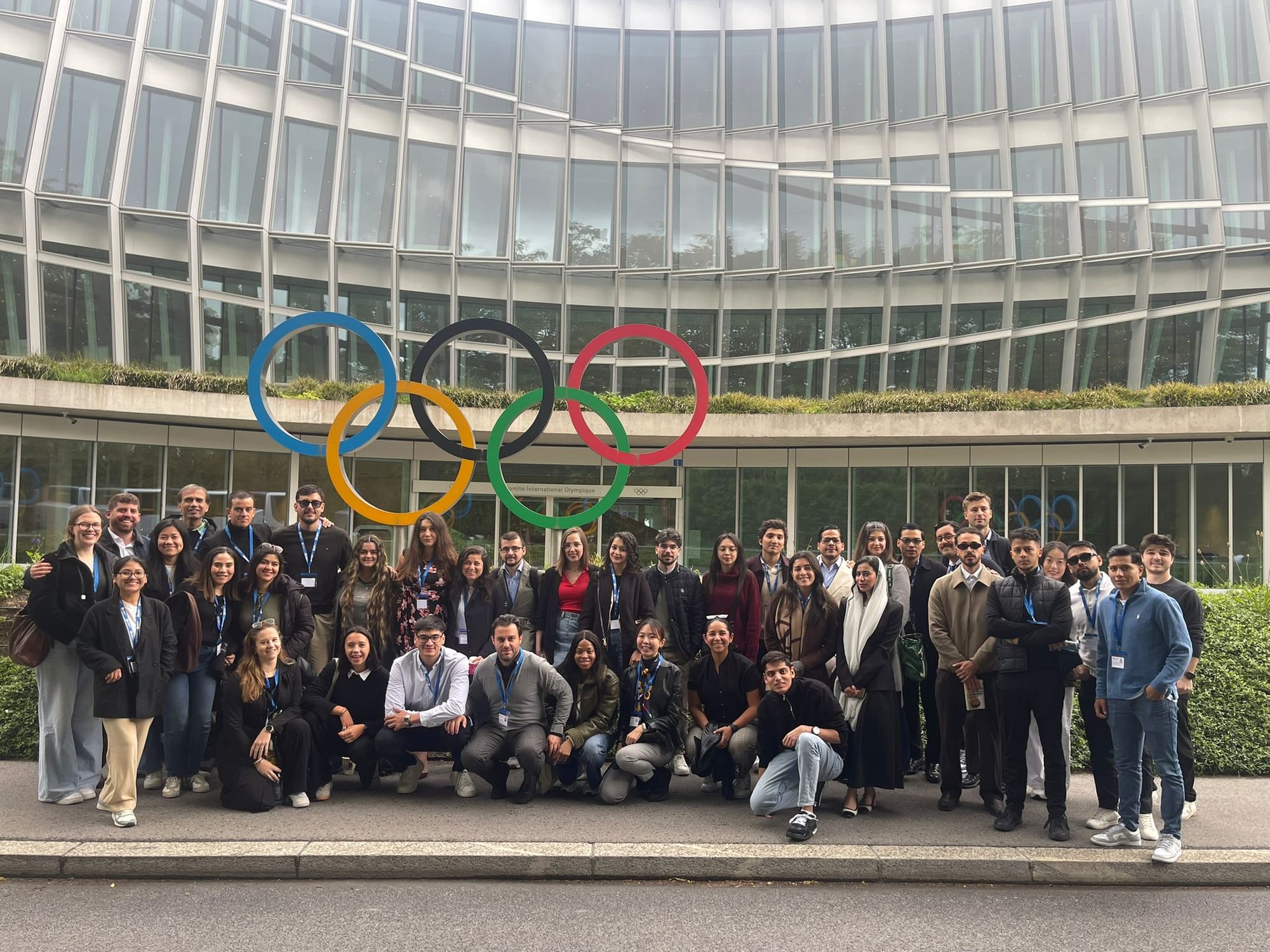
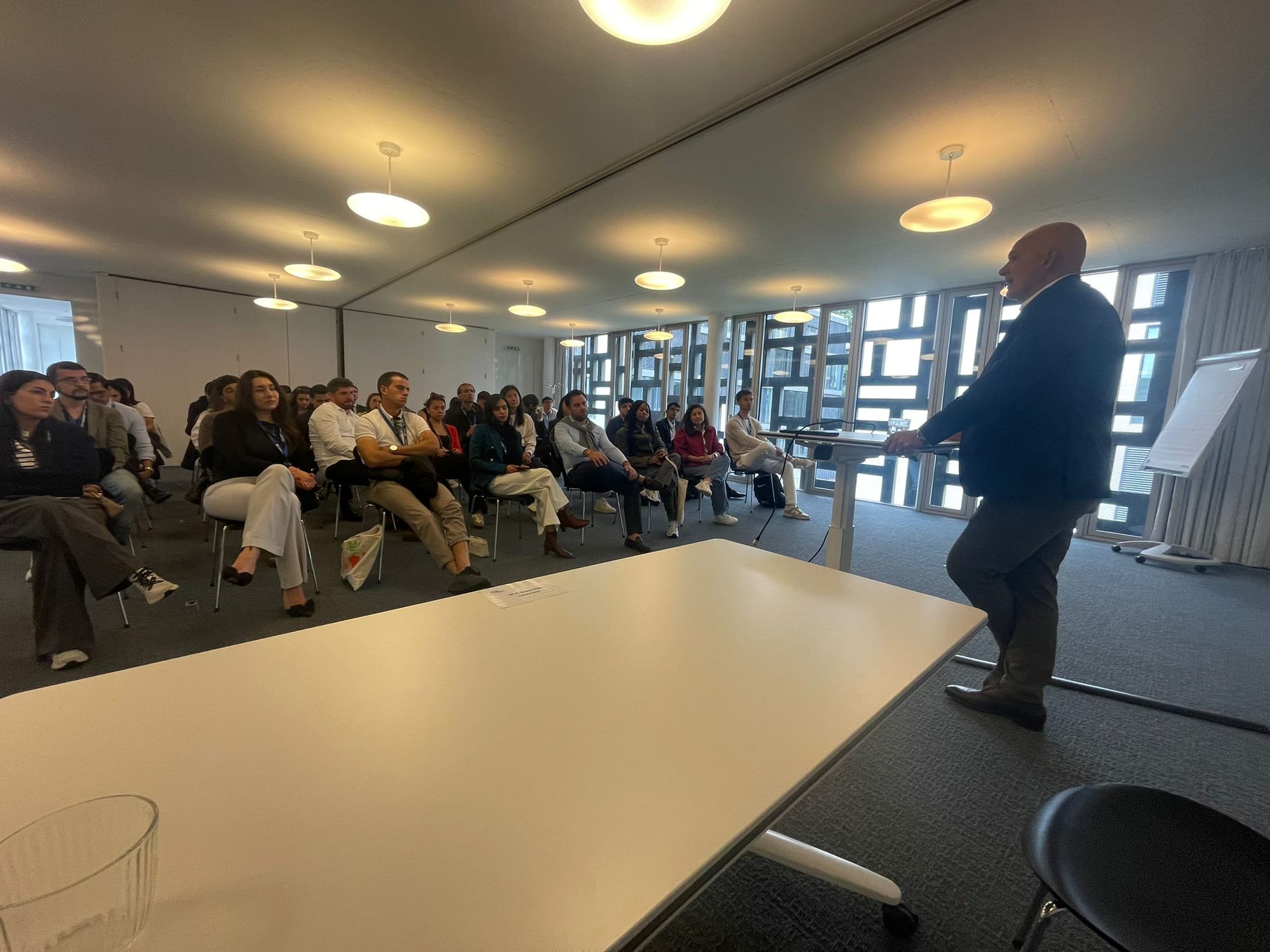
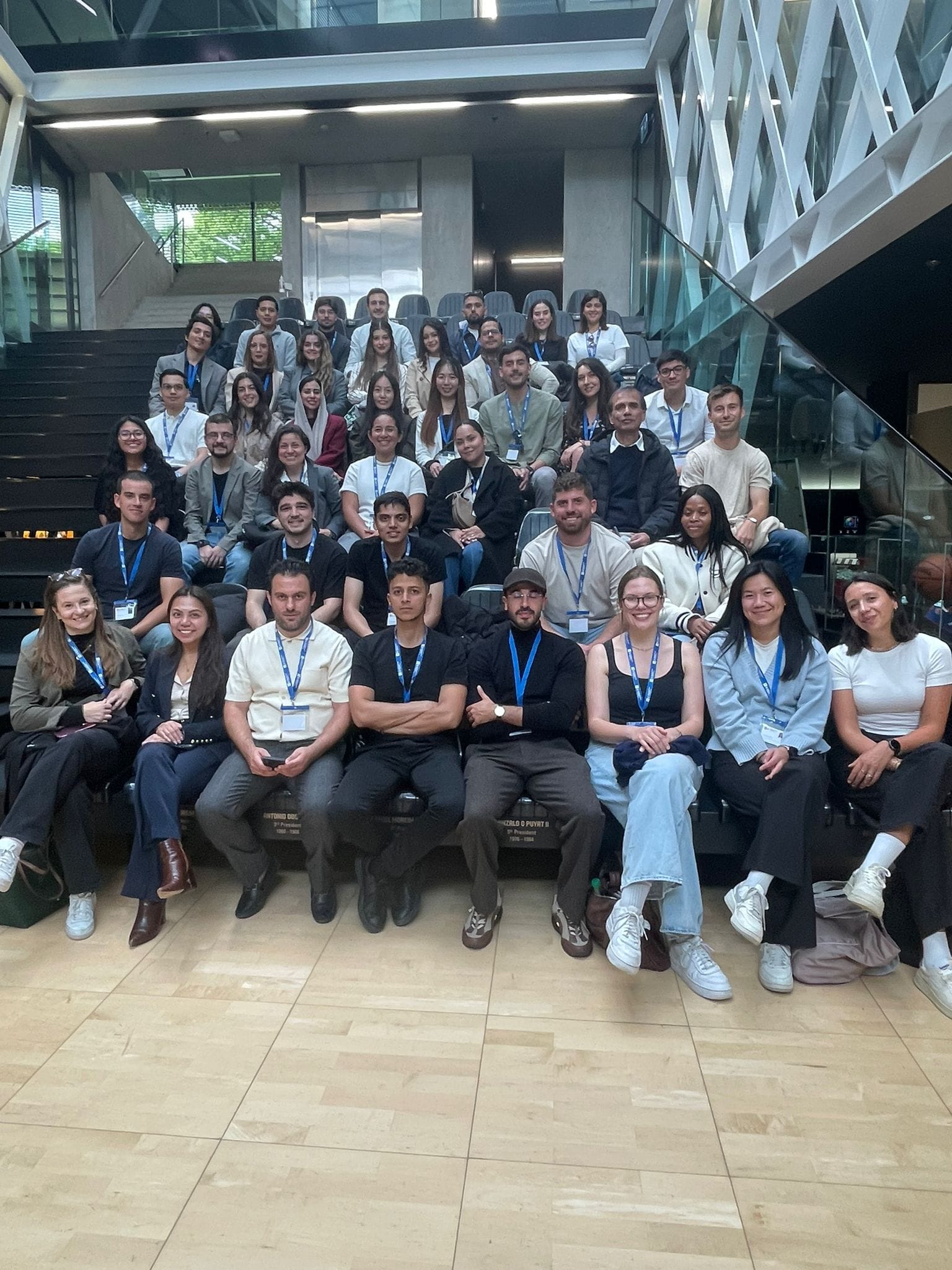
Throughout the week, one idea continued to appear in different forms across every institution, conversation and experience: sport has a unique ability to connect people across borders, cultures and backgrounds in ways very few industries can.
Despite representing different sports, governance models and international priorities, all the organizations we visited were ultimately working toward something larger than competition itself. They were building platforms capable of creating global communities, shared experiences and collective identity.
What fascinated me most was how naturally sport creates connections between people who may otherwise have very little in common.
Different languages.
Different cultures.
Different political systems.
Different histories.
Yet somehow, sport creates a universal space where people can communicate, compete, collaborate and connect beyond those differences.
This was visible not only within the institutions themselves, but also throughout the experience as a whole. Students from different countries and professional backgrounds came together through a shared passion for sport, exchanging perspectives and experiences while learning from some of the world’s leading organizations.
One phrase that stayed with me throughout the trip was FIFA’s slogan:
“Football Unites the World.”
After this experience, I left Switzerland believing in something even bigger:
Sports unite the world.
Not because every sport is the same, but because every sport, in its own way, creates human connection.
And in a world increasingly divided by politics, geography and ideology, that kind of connection may be more important than ever.